





Blog post
2 mins

Identify where AI can create value across teams, workflows, and business units.
Turn real work data into hard numbers that win buy-in from the CFO, CIO, and COO.
Move from isolated pilots to enterprise-wide deployment with governance, measurement, and accountability built in.
Find and prioritize your highest-value AI opportunities
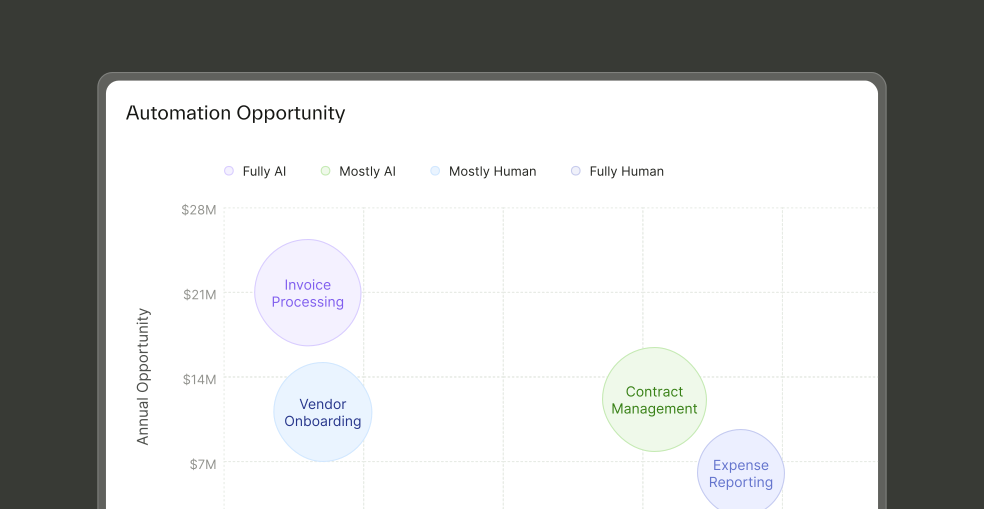
Build the roadmap, business case, and operating model

Observe how work flows across systems and teams
Analyze processes, exceptions, and variations across systems and teams
Ground decisions with real-time operational insights
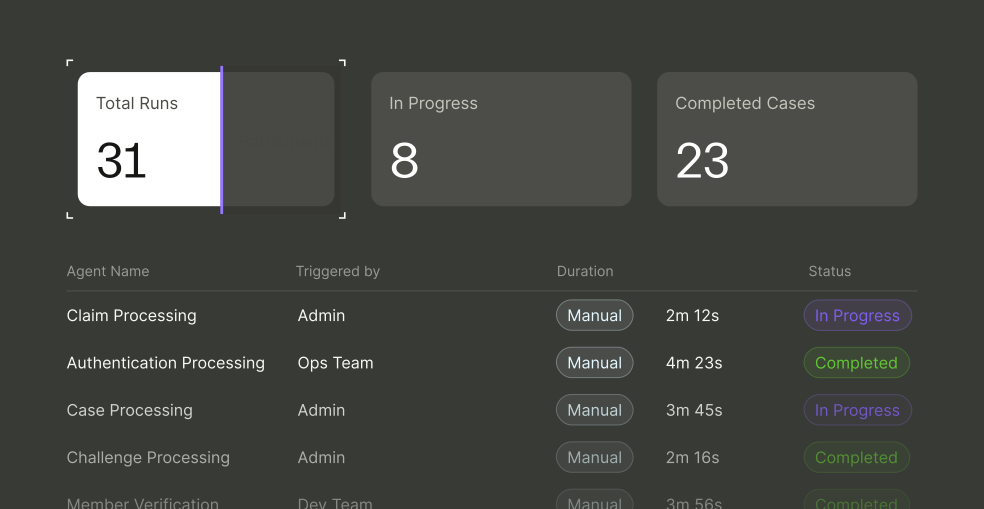
Execute, govern, and measure AI adoption at scale
AI transformation programs stall when they lack a clear picture of how work actually runs. Many focus on individual use cases rather than enterprise-wide adoption. Without that picture, it becomes difficult to prioritize opportunities, build business cases, and scale successful initiatives across the organization.
The most effective approach is to evaluate opportunities based on business impact, operational readiness, implementation complexity, and expected return on investment. The strongest prioritization starts from a live view of how work actually runs, so teams focus on initiatives that deliver measurable value while supporting broader transformation goals.
AI agents are most effective in workflows that are high-volume, repeatable, and well understood. Organizations should evaluate activities based on value, complexity, risk, and the level of human judgment required. Grounding that decision in how work actually runs helps target the agents that will deliver real return.
Successful AI governance combines oversight, accountability, performance monitoring, and risk management. Organizations need visibility into adoption, outcomes, process performance, and ongoing results as AI usage expands across the enterprise.
