




Blog post
2 mins
Productivity improvement
Cost savings with process optimization
Processing cost reduction

See where rework and variations are reducing productivity and increasing operational cost.
Focus investment on the bottlenecks and automation opportunities with the greatest impact.
Win budget and buy-in with hard numbers you can take straight to your executives.
Pinpoint the biggest opportunities across your organization
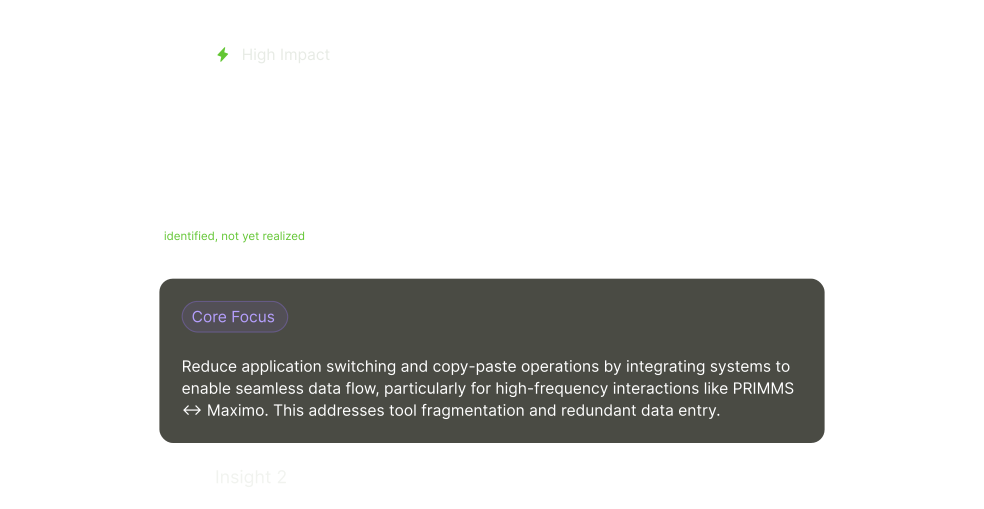
Observe where productivity
is being lost

Observe work across applications, teams, and systems
See where teams deviate from documented processes
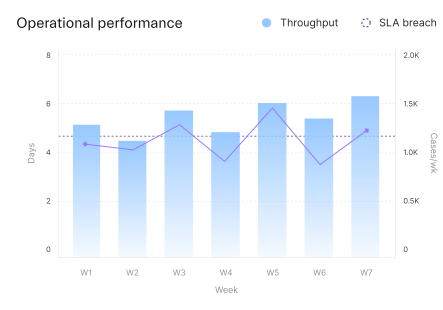
Build a complete picture of operational
performance
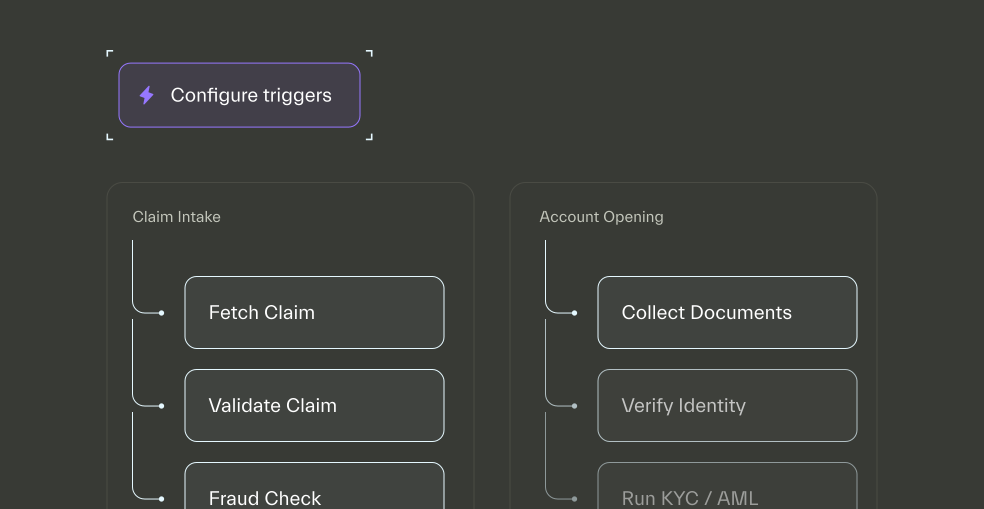
Automate the repetitive work to increase capacity
Many operations teams lack visibility into how work is performed across systems, teams, and departments. Without understanding where delays, rework, and process variation occur, it becomes difficult to identify the changes that will have the greatest impact on productivity, cost, and service levels.
Operational inefficiencies are best identified by observing how teams perform work across applications, systems, and workflows. This helps reveal bottlenecks, duplicated effort, unnecessary manual work, and the gaps between documented processes and day-to-day operations.
Operational improvements should be measured against a baseline and tracked over time. Common metrics include productivity, cycle time, throughput, cost reduction, service levels, quality, and other business outcomes linked to operational performance.
The most effective approach is to focus on high-volume, repeatable work where automation can reduce effort, increase capacity, or improve consistency. Prioritization should be based on operational impact, implementation complexity, and expected business value.
