
Whitepapers & eBooks
Mar 11, 2026


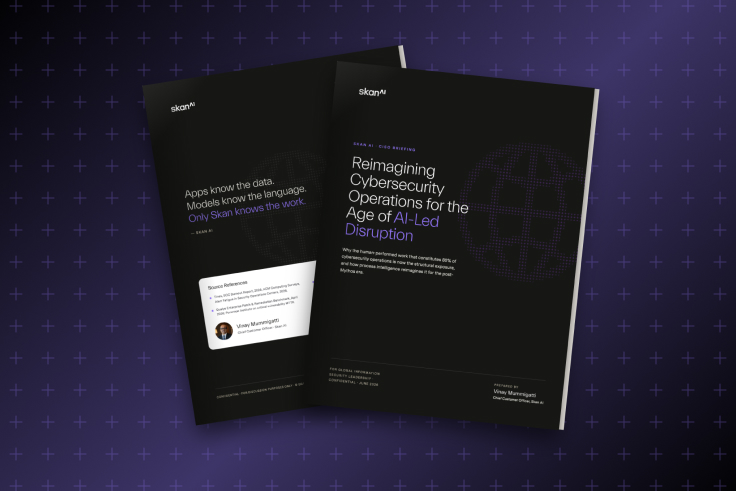
Why the Human-Performed Work That Constitutes 80% of Security Operations Is Now Your Structural Exposure
Your cybersecurity tooling stack has never been more capable. Your security operating model has never been more exposed.
Enterprise SOCs receive an average of 11,000 alerts per day, but only 22 require investigation. In fact, only three of every four go uninvestigated. The average time to remediate a critical vulnerability is five months, while more than half of newly disclosed vulnerabilities are weaponized within 48 hours. Seventy-one percent of SOC analysts report burnout. We are witnessing shortcomings of the operating model itself, starting with the human-performed work those tools generate that has never been instrumented, observed, or redesigned.
The emergence of Claude Mythos and AI-led adversary capability has made this untenable. This briefing makes the case for the intervention the AI era demands: continuous, first-party operational observability of the human-centric processes that constitute the bulk of cybersecurity activity.
Why the cybersecurity operating model is the structural exposure, not the tooling stack
Security tooling has evolved continuously for a decade. SIEM has matured. EDR has become XDR. Everything from identity to cloud posture management has been refined and re-platformed. Yet the work humans actually perform across SOCs, vulnerability management programs, access certification teams, change advisory boards, and audit response queues looks substantially the same in 2026 as it did in 2016. This paper provides a way forward for cybersecurity in our modern era.
Discover your enterprise AI maturity level. This guide maps 4 stages from basic RPA to agentic AI with a scored assessment and proven roadmap for operations leaders.
Download Skan AI's Process Intelligence Playbook — your guide to operational intelligence, AI business process automation, and enterprise process intelligence strategy. Get it free.
Read this whitepaper to learn how tech and DX executives are redefining their operational standards to build AI agents that understand and execute complex work.
Unlock your transformation potential. Subscribe for expert tips and industry news.